About the Jamestown Foundation
Uplifting, Preserving, and Connecting the Heritage of Jamestown, SC
Our Mission
The Jamestown Foundation is dedicated to uplifting, preserving, and connecting the rich heritage of Jamestown, South Carolina - a historic African American community with over 150 years of continuous family ownership.
Preserve Historic Structures
Restore and maintain 22 original wooden buildings, including the Jan James House and community structures.
Educate About Heritage
Share the remarkable history of African American land ownership, resilience, and community building from 1865 to present.
Support Community
Foster connections through annual reunions, workshops, and events that celebrate Jamestown's living legacy.
Restore Jan James House
Lead the restoration of the historic Jan James House with planning grants and preservation expertise.
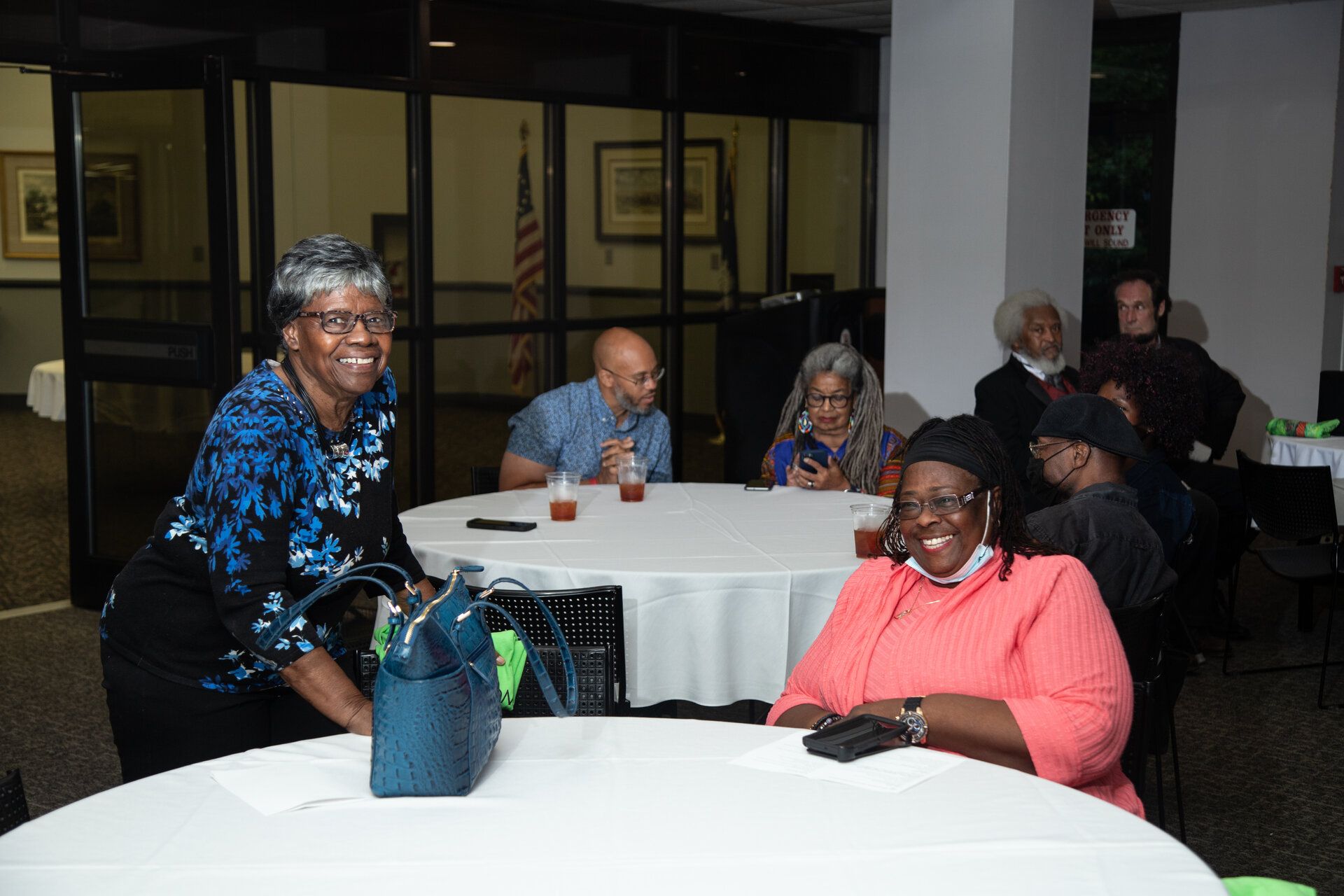
The Ervin James Story
Jamestown's founding story begins with Ervin James, a man of extraordinary vision and determination who transformed freedom into lasting legacy for generations to come.
"A deep, strong soul"
Ervin James's courage to break barriers and invest in land ownership created a foundation for prosperity that has endured through generations. Today, Jamestown stands as a testament to his vision - 240+ acres, 22 historic buildings, and 150+ years of continuous family ownership.
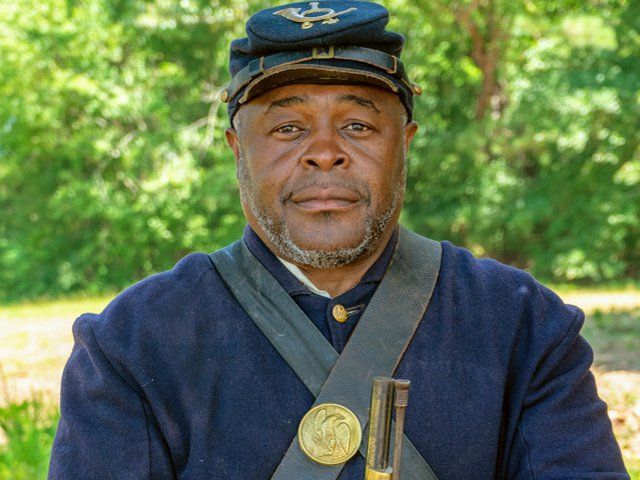
Terry James
Terry James is the great-great-great grandson of Ervin James, founder of Jamestown. He serves as Executive Director of the Jamestown Foundation, dedicated to preserving and promoting this historic community.
As the great-great-great grandson of Jamestown's founder Ervin James, Terry carries forward a profound responsibility - preserving not just buildings and land, but the stories, struggles, and triumphs of his ancestors who built this remarkable community from the ground up.
Under Terry's leadership, the Jamestown Foundation has achieved recognition on the National Register of Historic Places, established the annual Celebrate Jamestown Reunion, and embarked on ambitious restoration projects including the historic Jan James House.
"No selling around here. None, zero, zilch."
This steadfast dedication to preservation over profit reflects the values that Ervin James instilled in 1870 - that land ownership means legacy, community means family, and heritage means responsibility.
A Story of Reconciliation
The story of Jamestown is not just about perseverance - it's also about healing and understanding across generations and racial divides.
In 1870, Eli McKissick, a white landowner, sold 109 acres to Ervin James, a formerly enslaved person, for $700. This transaction, which was technically illegal under the laws of the time, became the foundation of the Jamestown community.
Over a century later, Helen Thompson, a descendant of Eli McKissick, reached out to the James family. In a powerful act of reconciliation, she acknowledged the shared history between their families and expressed support for the preservation work.
This reunion of descendants - one family that sold the land, another that built a legacy upon it - represents a profound moment of healing. It demonstrates that while we cannot change the past, we can choose how we honor it and move forward together.
The McKissick-James reconciliation stands as a symbol of hope, showing that understanding and mutual respect can bridge even the deepest historical divides.
Celebrate Jamestown Reunion
Last weekend in July
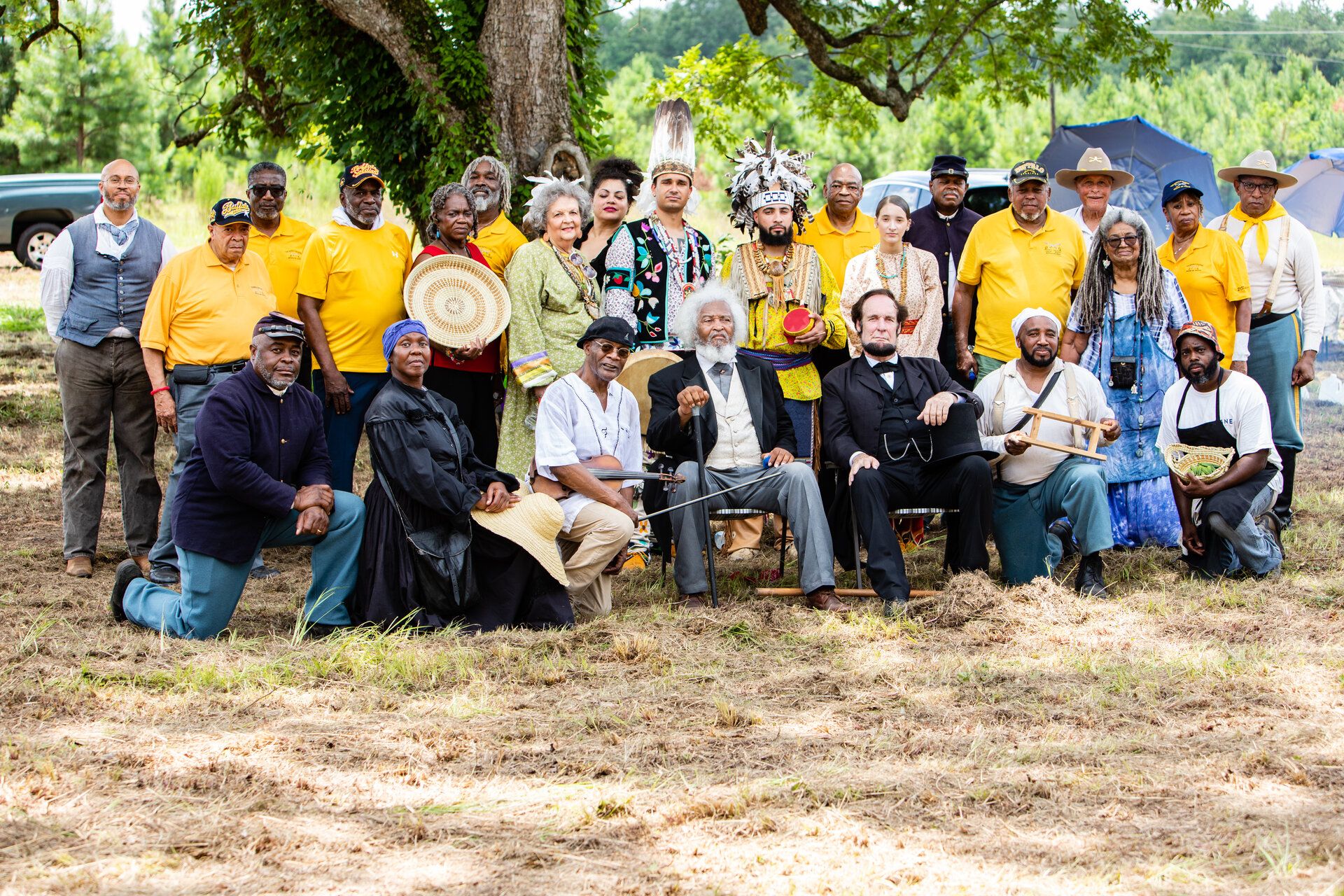
Every year during the last weekend in July, descendants, historians, and visitors gather in Jamestown for a celebration of heritage, community, and living history.
Reenactments & Storytelling
Experience living history through period reenactments and hear firsthand stories from descendants about their ancestors' journeys.
Artisan Demonstrations
Watch traditional crafts and skills practiced by ancestors come to life through skilled artisan demonstrations.
Community Banquet
Share a meal with community members, descendants, and visitors, celebrating the bonds that unite us across generations.
Church Service
Join in a traditional church service honoring the faith that sustained the community through challenges and triumphs.
The reunion is open to the public and serves as a vital fundraising event for ongoing preservation efforts.
Join Us in Preserving History
Whether through donations, attending events, or spreading awareness, your support helps ensure that Jamestown's remarkable legacy continues to inspire and educate for generations to come.